
Automotive Wheel Hub Oil Seals: The “Golden Shield” of Chassis Drivetrain Systems
By Nick Li · August 10, 2026 · Technical Articles
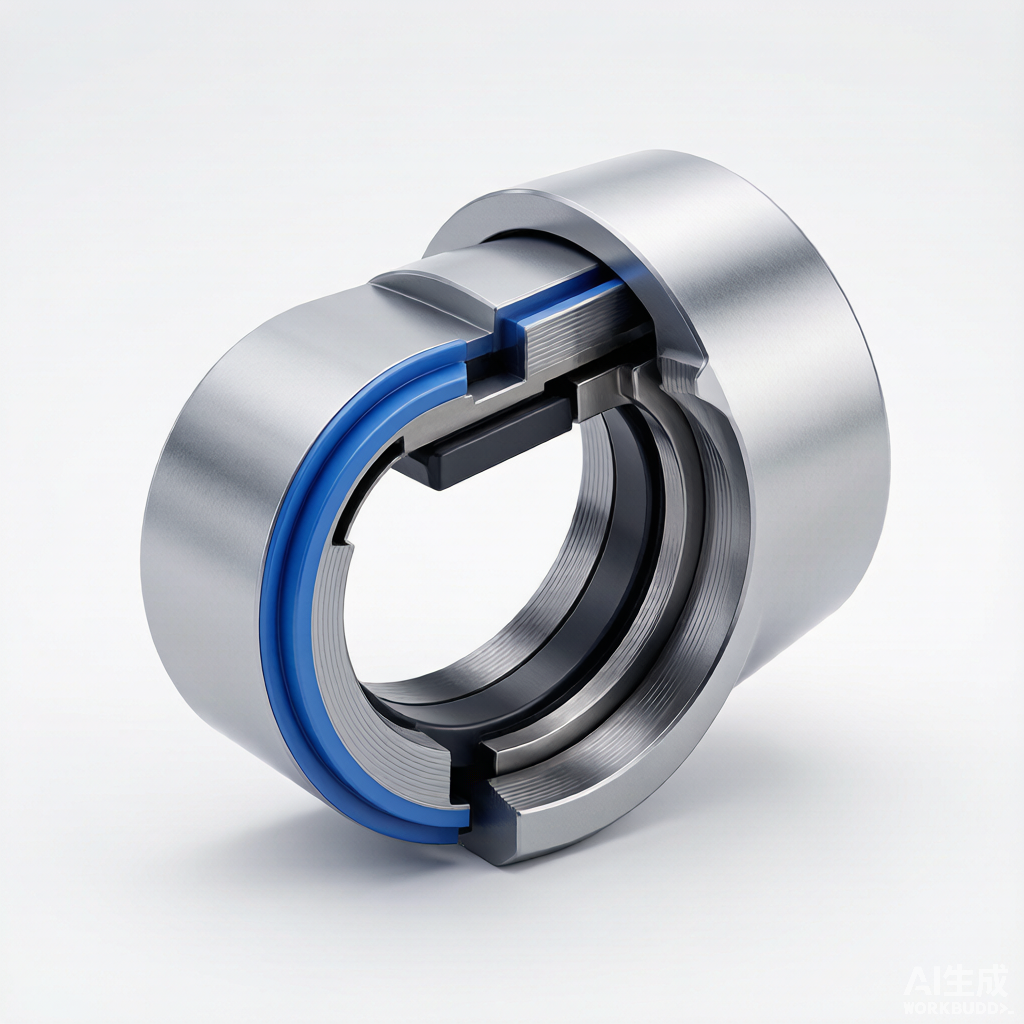
Figure 1: Automotive wheel hub oil seal with rubber-metal integrated design
Its core mission can be summarized in just eight words: “Retain lubrication inside, block contamination outside.”
1. Two Core Missions of Wheel Hub Oil Seals
The wheel hub oil seal is installed between the rotating wheel hub and the stationary axle (or steering knuckle). Under extremely harsh operating conditions, it must simultaneously manage two completely opposing sealing directions:
- External [Anti-Contamination Barrier]: Utilizing the dust lip of the wheel hub oil seal to firmly block mud, water, dust, and road salt from entering from the harsh external environment.
- Internal [Lubrication Retention Barrier]: Utilizing the primary sealing lip of the wheel hub oil seal to tightly lock in the lubricant (grease or gear oil) that is under high-temperature and high-speed rotation inside the bearing cavity.
1.1 Lubrication Retention: Preventing Brake Failure
The bearings inside the wheel hub (whether tapered roller bearings or double-row angular contact ball bearings) generate significant frictional heat at high speeds, requiring high-viscosity grease or gear oil for continuous lubrication and heat dissipation. If the oil seal fails, the lubricant will leak out.
Safety Hazard: Once the leaked grease or oil gets onto the brake discs or brake pads, the braking friction drops instantly, leading to brake failure. Meanwhile, a lack of oil inside the bearing causes rapid friction heating and bearing burnout, severely compromising driving safety.
1.2 Anti-Contamination: Blocking Mud, Sand, and Water
Vehicles operate in harsh road environments where wheel hubs are directly exposed to puddles, mud, sand, dust, and winter de-icing agents. As the first physical line of defense, the oil seal must keep these fine impurities out.
Mechanical Wear: Even a microscopic amount of grit or water entering the bearing will quickly destroy the lubricating oil film, causing pitting, spalling, and flaking on the bearing raceways. This leads to wheel hub noise, shortened bearing life, or even wheel lock-up.
2. Typical Structure and Design of Wheel Hub Oil Seals
To maintain stable performance under high-speed rotation, severe vibration, and extreme temperature fluctuations (heat transferred from braking), modern wheel hub oil seals feature highly precise composite structures:
- Metal Casing: Usually stamped from cold-rolled steel sheet, the metal casing serves as the “backbone” of the oil seal. It provides sufficient rigidity and installation tension to ensure the oil seal is press-fitted firmly into the hub bore or axle journal, preventing displacement or “spinning in the housing” during rotation and vibration.
- Elastomer Sealing Body: The rubber layer bonded to the metal casing, which features two key sealing lips:
Primary Sealing Lip: Angled and facing inward (the oil side), it hugs the axle journal under the action of the garter spring and the rubber’s own elasticity to prevent grease leakage.
Dust Lip (Secondary Lip): Facing outward (the air side) without a spring, it utilizes a physical gap and minimal dry friction to block external dust and mud.
- Garter Spring: Embedded in the spring groove on the back of the primary lip, it provides a continuous and uniform radial contact force to compensate for any gap caused by rubber aging/hardening or slight shaft runout (eccentricity).
- Multi-Lip / Cassette Design: For long-life, maintenance-free commercial vehicles (heavy-duty trucks, buses) and modern passenger car hub units, Cassette Seals have become the industry standard. They integrate axial and radial multi-lips and labyrinth dust channels into a single unit of inner and outer sleeves. The rotational friction occurs entirely on the finely ground metal surface inside the seal itself, completely eliminating wear on the axle journal and multiplying the system’s service life.
3. Material Selection: Performance Comparison for Wheel Hub Oil Seals
The rubber material of a wheel hub oil seal directly determines its temperature resistance, wear resistance, and overall service life. Choosing the right material for different operating conditions and sealing media is critical:
| Material | Abbreviation | Key Features & Operating Temperature | Typical Applications |
|---|---|---|---|
| Nitrile Rubber | NBR | Low cost, excellent oil and wear resistance, but moderate high-temperature and aging resistance (-40℃~120℃). | Standard passenger cars, light trucks, or economy vehicles. |
| Polyacrylate Rubber | ACM | Better heat resistance, high-speed rotation capability, and resistance to extreme pressure gear oil additives than NBR (-30℃~150℃). | Mid-to-high-end passenger cars, drivetrains with high operating temperatures. |
| Fluorocarbon Rubber | FKM / FPM | Outstanding high-temperature, chemical, and wear resistance, with an extremely long service life (-20℃ to 250℃). | Premium cars, heavy-duty trucks, or severe braking (high temperature) conditions. |
| Polytetrafluoroethylene | PTFE | Extremely low friction coefficient, excellent self-lubrication, and extremely wide temperature range. | Modern long-life, low-drag, fuel-efficient wheel hub units. |
4. Typical Symptoms of Wheel Hub Oil Seal Failure
When an oil seal starts to age or becomes damaged, the chassis system usually gives the following warning signs:
Oil Seepage on the Inner Wheel Hub: After removing the wheel, black grease or gear oil can clearly be seen splattering on the inner side of the hub and the back of the brake disc.
Decreased Braking Performance: Leaked oil gets onto the brake disc, resulting in insufficient braking force or pulling to one side when braking.
Abnormal Wheel Hub Noise: After dust enters or grease dries up, the bearing will emit a “hissing” or “humming” metallic friction sound during operation.
Overheating Wheel Hub: Dry friction due to lack of lubrication causes severe heat generation; touching the center of the wheel hub after driving will feel noticeably hot.
Conclusion
As a tiny yet indispensable link in the automotive safety chain, the automotive wheel hub oil seal represents a clever combination of material science and mechanical structure design. From basic single-lip metal-cased oil seals to high-precision, multi-lip labyrinth cassette units, every iteration in structural design and material formulation works to protect drivetrain efficiency, extend service life, and ensure driving safety.
Source: DLSEALS | www.dlseals.com