
Compressor Retrofit and Performance Optimization Solutions
By Nick Li · August 10, 2026 · Technical Articles
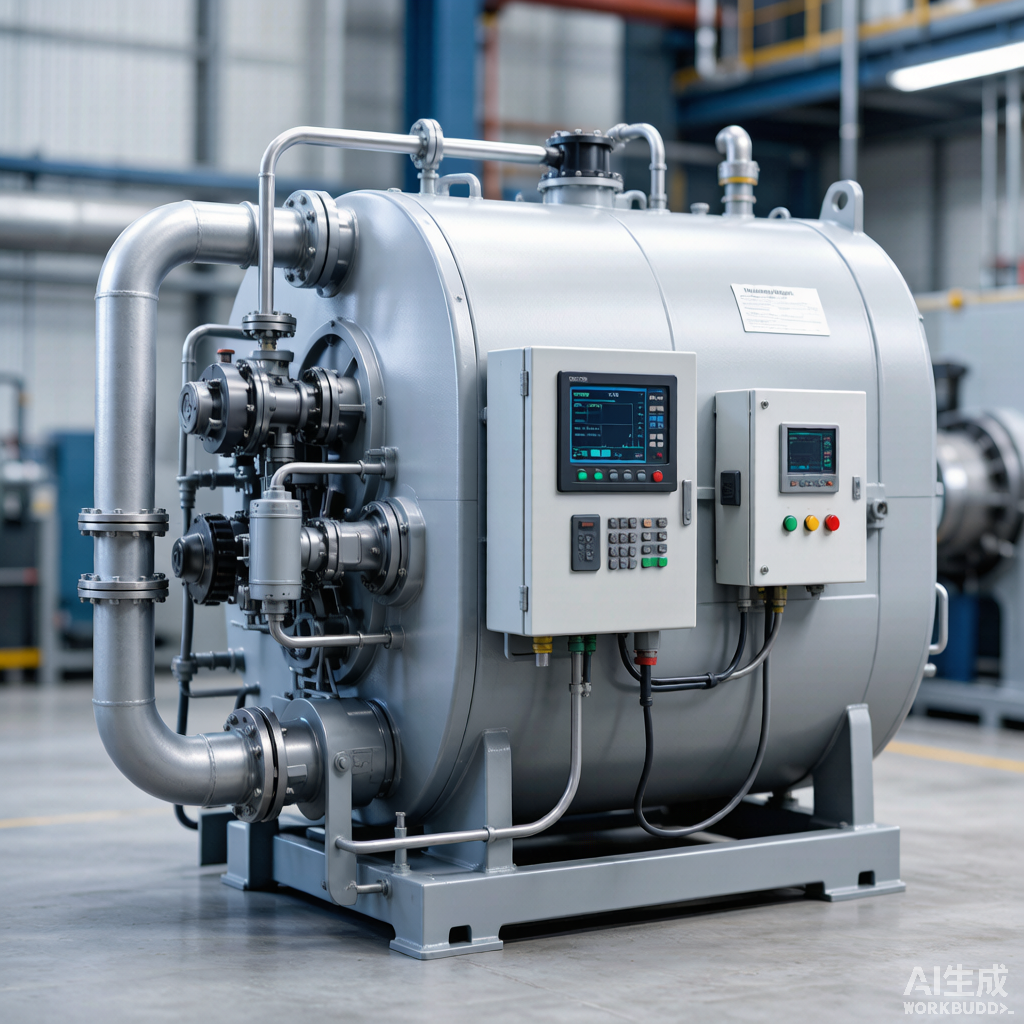
Compressor retrofitting involves upgrading existing equipment with modern components, controls, and technologies to improve performance, reliability, and efficiency. As aging compressor fleets face increasing operational demands and stricter environmental regulations, retrofit programs offer a cost-effective alternative to full equipment replacement. This article explores key retrofit opportunities and optimization strategies.
1. Drivers for Compressor Retrofit
Retrofit decisions are typically driven by one or more of the following factors that affect equipment performance, compliance, or economics.
- Energy efficiency improvement targets and carbon emission reduction goals
- Changes in process conditions: throughput, pressure ratio, or gas composition
- Aging infrastructure with increasing failure frequency and maintenance costs
- Regulatory compliance: emission standards, noise limits, safety requirements
- Technology advancement: availability of superior components and monitoring systems
2. Valve Upgrade and Optimization
Compressor valves are among the most impactful retrofit targets. Modern valve designs can significantly improve efficiency, extend maintenance intervals, and reduce valve-related failures.
| Upgrade Option | Efficiency Gain | Life Improvement | Investment Level |
|---|---|---|---|
| Plate to PEEK valves | 3-5% | 2-3x | Moderate |
| Conventional to optimized lift | 2-4% | 1.5x | Low |
| Standard to proprietary design | 5-8% | 2-4x | Moderate |
| Manual to valve monitoring | N/A (reliability) | Failure prevention | Moderate |
3. Cylinder Retrofit Options
Cylinder modifications can adapt compressor capacity to new process requirements without replacing the entire unit. Options include reboring, relining, or replacing cylinders with different bore sizes.
- Cylinder rebore: increase displacement for higher capacity requirements
- Cylinder reline: install sleeves to reduce bore for different pressure ratio
- Full cylinder replacement: change bore size and pressure rating
- Clearance pocket addition: enable capacity regulation without speed change
- Non-lubricated conversion: replace cylinders with PTFE-lined designs
Figure 1: Compressor retrofit and optimization upgrade project
4. Control System Modernization
Upgrading from legacy mechanical or pneumatic controls to modern digital control systems (DCS) and variable frequency drives (VFD) offers substantial benefits in operational flexibility, efficiency, and data availability.
4.1 Control Upgrade Benefits
| Upgrade | Benefit | Implementation Complexity |
|---|---|---|
| VFD installation | Continuous capacity control, 15-30% energy saving | High |
| Digital control system | Precise monitoring, data logging, remote access | Medium |
| Automated valve monitoring | Real-time valve health, predictive alerts | Medium |
| Online P-V monitoring | Continuous performance tracking | Medium |
4.2 VFD Retrofit Considerations
- Verify motor insulation class is suitable for VFD operation (F or H)
- Install dV/dt filters or sine-wave filters to protect motor windings
- Confirm torsional vibration analysis with variable speed operation
- Address potential resonance speeds in the operating speed range
- Ensure adequate cooling at reduced speeds (self-cooled motors)
5. Seal and Packing Upgrades
Advances in sealing materials and designs offer opportunities to reduce leakage, extend maintenance intervals, and enable non-lubricated operation for contamination-sensitive processes.
- Upgrade packing to advanced PTFE composites for extended life in corrosive service
- Install labyrinth seals for low-pressure, clean-gas applications
- Retrofit with dry gas seal systems for centrifugal compressors
- Implement condition-based packing replacement using leakage monitoring
- Consider分段 (segmented) packing designs for high-pressure differential
6. Performance Verification After Retrofit
Post-retrofit performance testing is essential to validate that the upgrade objectives have been achieved. A structured acceptance test program should be defined before implementation.
| Test Parameter | Method | Acceptance Basis |
|---|---|---|
| Capacity | Flow measurement at design conditions | Within ±3% of guarantee |
| Power consumption | Motor input power measurement | Equal or better than baseline |
| Efficiency | Calculated from P-V and flow data | Meets improvement target |
| Vibration | ISO 10816 measurement | Within Zone A/B limits |
| Temperature | RTD and thermocouple readings | Within design margins |
7. Economic Evaluation and ROI
Retrofit projects must demonstrate a compelling economic case. A thorough cost-benefit analysis should consider capital investment, energy savings, reliability improvements, and avoided replacement costs.
- Calculate simple payback period: capital cost / annual savings
- Use net present value (NPV) for projects with life-cycle savings > 3 years
- Include avoided downtime value in benefit calculation
- Account for potential production increase from capacity upgrade
- Factor in environmental compliance benefits (emission reduction, carbon credits)
Source: Compressor Technology Editorial Reference