
High-Performance Spring-Energized PTFE Seal (Carbon + Graphite + MoS₂ & SS316 V-Spring)
By Nick Li · August 10, 2026 · Technical Articles
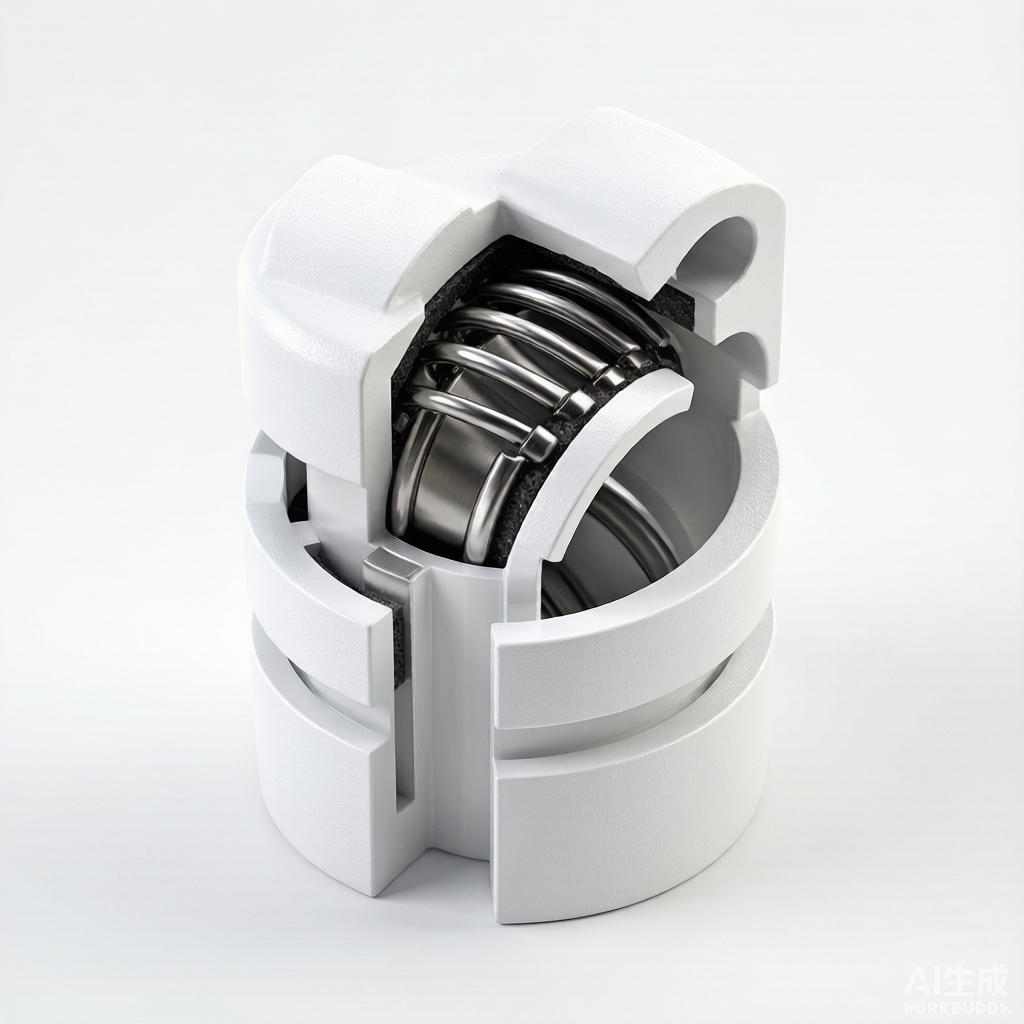
Figure 1: Spring-energized PTFE seal with internal V-spring and carbon graphite fillers
In harsh industrial environments, conventional elastomeric O-rings frequently fail due to extreme temperature degradation, aggressive chemical corrosion, or high-pressure extrusion (creep). The Spring-Energized PTFE Seal—engineered with a modified PolyTetraFluoroEthylene (PTFE) jacket and an internal SS316 V-shaped stainless steel spring—is specifically designed to overcome these performance bottlenecks in high-pressure, cryogenic, and dry-friction applications.
Synergistic Mechanism: Modified Formulation & Structural Design
The outstanding mechanical strength, wear resistance, and low-friction properties of this energized seal stem from the perfect combination of tri-filler material modification and a self-tightening pressure-assisted structure.
Quad-Synergy Modified PTFE Jacket
While virgin PTFE offers excellent chemical inertness, it suffers from cold flow (creep) and poor wear resistance. Adding three functional fillers completely resolves these limitations:
- PTFE (PolyTetraFluoroEthylene): Serves as the base polymer, providing universal chemical compatibility and exceptionally low baseline friction.
- Carbon Fiber: Significantly increases tensile strength and creep resistance, effectively preventing seal extrusion under high pressures.
- Graphite: Enhances thermal conductivity to rapidly dissipate heat during high-speed or dry running conditions, reducing thermal degradation.
- Molybdenum Disulfide (MoS₂): Acts as a solid lubricant to lower break-out friction, eliminating stick-slip behavior and enabling smooth unlubricated operation.
SS316 V-Spring Elastic Compensation
The embedded SS316 (AISI 316 Stainless Steel) V-spring plays two vital roles inside the seal cavity:
- Initial Pre-tightening: Provides constant mechanical energization under zero or low pressure, forcing the seal lips tightly against mating surfaces.
- Pressure-Actuated Sealing: As system pressure rises, media flows into the V-shaped jacket, forcing the sealing lips tighter against the hardware; higher pressure results in tighter sealing. SS316 guarantees long-term elasticity and corrosion resistance.
Performance Comparison: Modified PTFE Seal vs. Conventional O-Rings
| Performance Indicator | Modified PTFE Seal (SS316 V-Spring) | Conventional Elastomer O-Ring (FKM/NBR) |
|---|---|---|
| Operating Temperature | –200℃ to +260℃ (Cryogenic to High Temp) | –20℃ to +200℃ (Hardens / Degrades Outside) |
| Pressure Rating | Up to 70MPa+ (with Anti-Extrusion Rings) | Typically < 15MPa (Risk of High-Pressure Extrusion) |
| Friction & Media Compatibility | Ultra-low friction, nearly universal chemical resistance | High friction coefficient, prone to swell/degrade |
| Shelf Life & Service Life | No aging or degradation during long-term storage | Limited shelf life due to oxidation and UV aging |
Key Industrial Applications
- Cryogenic LNG & Liquid Nitrogen Valves: Maintains seal flexibility and tightness at –196℃ where elastomers become brittle and crack.
- Oil & Gas Downhole Tools: Resists severe wear, extrusion, and corrosive chemicals under pressures from 35 to 70 MPa.
- Hydraulic & Pneumatic Actuators: Eliminates stick-slip motion in unlubricated or slow micro-motion systems thanks to MoS₂ and graphite lubrication.
Source: DLSEALS | www.dlseals.com