
Modern Compressor Seal Technologies and Selection Criteria
By Nick Li · August 10, 2026 · Technical Articles
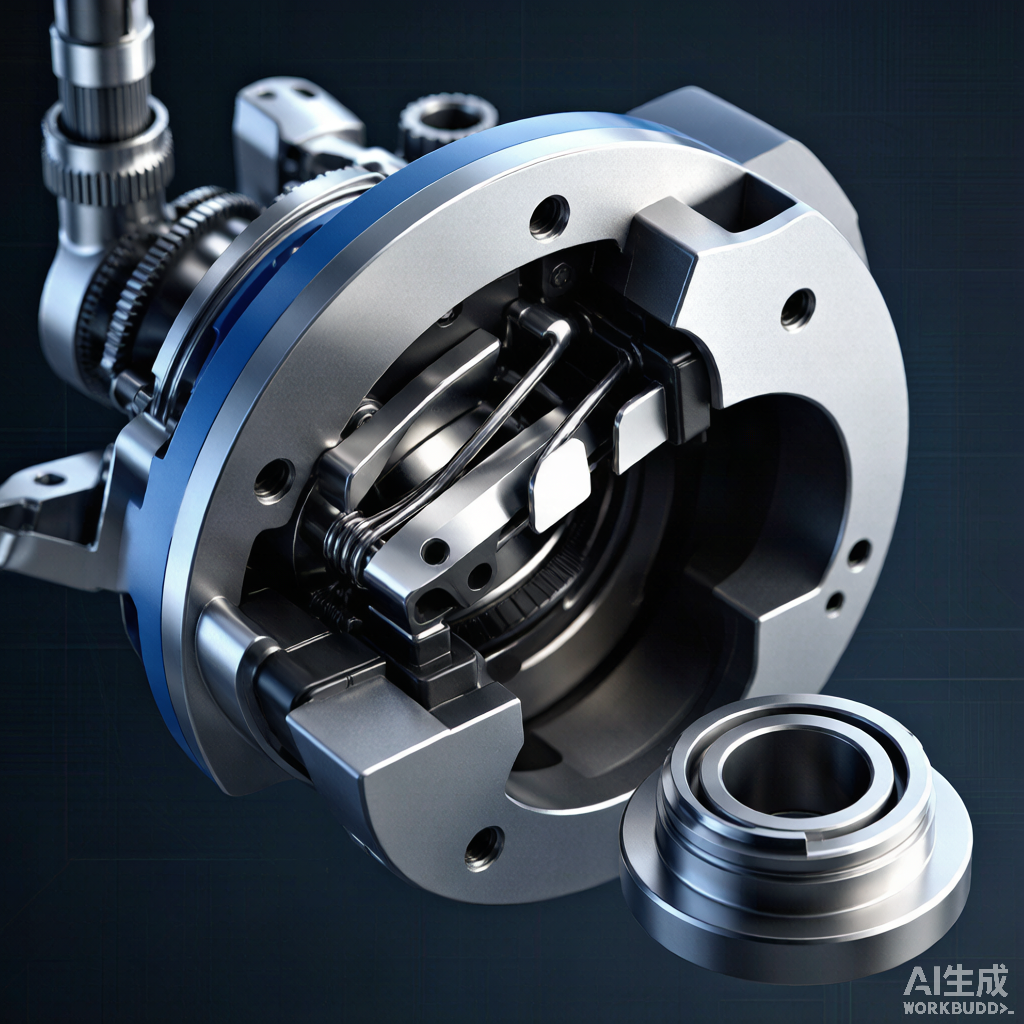
Sealing technology is fundamental to compressor performance, safety, and environmental compliance. This article examines the full spectrum of seal types used in reciprocating and centrifugal compressors, their selection criteria, and recent technological advances that extend seal life and reduce emissions.
1. Seal Functions and Classification
Compressor seals serve multiple critical functions: preventing process gas leakage, isolating lubricants from the process stream, and protecting the environment from hazardous emissions. The selection of seal type depends on compressor design, operating conditions, and regulatory requirements.
| Seal Category | Application | Operating Principle |
|---|---|---|
| Packing (reciprocating) | Piston rod sealing | Radial contact rings |
| Piston rings (reciprocating) | Cylinder bore sealing | Self-energized radial seal |
| Labyrinth seal (centrifugal) | Shaft sealing | Non-contact teeth |
| Dry gas seal (centrifugal) | Shaft sealing | Spiral groove hydrodynamic |
| Mechanical seal (centrifugal) | Bearing isolation | Face-to-face contact |
2. Reciprocating Compressor Packing Technology
Packing assemblies seal the piston rod as it reciprocates through the cylinder-to-distance piece interface. Modern packing designs incorporate advanced materials and geometric optimizations to extend life and reduce leakage.
2.1 Packing Ring Types
- Radial-cut rings: primary sealing, self-conforming to rod
- Tangential-cut rings: backup sealing, prevents gas bypass between segments
- Double-trim rings: high-pressure applications with two tangent rings
- Three-piece pressure breaker: distributes pressure drop across rings
- Segmented (chevron) design: for extreme pressure differentials
2.2 Packing Materials
| Material | Service Conditions | Max Temperature | Advantages |
|---|---|---|---|
| Bronze (SAE 660) | Lubricated, moderate pressure | 180 C | Good thermal conductivity |
| Cast iron | Standard lubricated service | 200 C | Dimensional stability, low wear |
| PTFE (filled) | Non-lube, corrosive gas | 150 C | Self-lubricating, chemical resistant |
| PEEK composite | High pressure, high temp | 250 C | Wear resistant, creep resistant |
| Nylon-based | Low pressure, clean gas | 120 C | Economical, good sealing |
Figure 1: Modern compressor seal technology showing seal cross-section and components
3. Piston Ring Design and Materials
Piston rings seal the gap between the piston and cylinder wall, preventing gas bypass between compression chambers. Their design must balance sealing effectiveness with friction reduction and wear resistance.
- Single-piece cast iron rings: for lubricated, moderate-pressure service
- Multi-piece PTFE rings: for non-lubricated and corrosive applications
- Expander-equipped rings: for low-pressure applications needing positive expansion
- Multi-ring sets: distribute pressure, provide redundancy
- Wear-in coatings: facilitate rapid bedding-in to cylinder profile
4. Dry Gas Seal Technology for Centrifugal Compressors
Dry gas seals (DGS) have largely replaced oil film seals in modern centrifugal compressor applications. They provide superior sealing performance, eliminate oil contamination, and reduce operating costs. The spiral groove pattern on the rotating ring generates hydrodynamic lift, maintaining a non-contact seal gap during operation.
4.1 DGS Configurations
| Configuration | Application | Leakage Rate | Support System |
|---|---|---|---|
| Single seal | Non-hazardous gas | Moderate | Simple buffer gas |
| Tandem seal | Hazardous/toxic gas | Very low | Primary + secondary separation |
| Tandem with intermediate labyrinth | High-pressure toxic gas | Minimal | Three-zone gas supply |
| Double seal (opposed), | High-pressure differential | Low | Barrier gas at higher pressure |
4.2 Seal Gas System Requirements
- Provide clean, dry seal gas (particle size < 3 micron, dew point < -40 C)
- Maintain seal gas pressure 0.3-0.5 bar above process pressure at primary seal
- Install coalescing filters and pressure-regulating valves in seal gas supply
- Monitor primary vent flow and pressure for seal health indication
- Include emergency nitrogen supply for compressor pressurized shutdown
5. Labyrinth Seals
Labyrinth seals are non-contacting seals that use a series of close-clearance teeth to create tortuous flow paths that minimize leakage. They are used in centrifugal compressors for interstage sealing and as secondary seals in dry gas seal assemblies.
- Single or multi-tooth aluminum or bronze construction
- Honeycomb or abradable lining on stator for running clearance optimization
- Staggered or stepped labyrinth design for enhanced pressure drop
- Replaceable cartridge design for maintenance convenience
- Tip clearance: typically 0.1-0.3 mm per 100 mm shaft diameter
6. Seal Selection Criteria
Selecting the optimal seal type requires consideration of multiple factors including pressure, temperature, speed, gas composition, environmental requirements, and reliability targets.
| Criterion | Reciprocating Packing | Dry Gas Seal | Labyrinth |
|---|---|---|---|
| Pressure rating | Up to 700 bar | Up to 200 bar | Low to moderate |
| Speed limitation | Low (reciprocating) | High (up to 150 m/s) | High (non-contact) |
| Leakage rate | Moderate | Very low | Higher |
| Life expectancy | 8,000-20,000 hours | 3-5 years | Long (wear-in limited) |
| Environmental compliance | Good with monitoring | Excellent | Moderate |
7. Emerging Seal Technologies
Research and development in seal technology continues to advance, driven by demands for higher efficiency, lower emissions, and longer maintenance intervals.
- Carbon nanotube-reinforced PTFE: exceptional wear resistance and thermal stability
- Magnetic fluid seals: zero leakage for low-pressure, clean-gas applications
- Active clearance control: adjusts seal gap based on operating conditions
- Fiber-optic seal condition monitoring: real-time wear and temperature tracking
- Compliance with API 692 standard for dry gas seal systems
Source: Compressor Technology Editorial Reference